Green Bitcoiners

The technical stack

Bitcoin stays at the center. The rest of the stack only makes sense once the base layer is kept in frame.

Start with Bitcoin, then place payments, timestamp proofs, storage, and communication at the right layer.

Bitcoin first Peer-to-peer and trustless systems OpenTimestamps, Lightning, IPFS, Blossom, Nostr
Anchor

Bitcoin is the settlement layer

Keep the case bounded around settlement, transfer, and shared verification.

Adjacent

Some tools use Bitcoin, some do not

Lightning and OpenTimestamps depend on Bitcoin. IPFS, Blossom, and Nostr solve different problems.

Goal

Put each tool in the right layer

The point is not to sell a bundle. It is to explain what each technology actually does.

Large meeting room with long tables and chairs
Image: Large meeting room / Wikimedia Commons.
Thesis

Keep Bitcoin in frame, then widen carefully

Start at money and settlement, then move outward to proofs, storage, and communication.

Orientation

Keep the stack ordered

Separate the base layer from the adjacent tools so each technology is judged against the problem it actually solves.

Bitcoin-dependent

Use Bitcoin where shared settlement or anchoring matters

Bitcoin, Lightning, and OpenTimestamps belong together because they inherit Bitcoin's settlement or proof model.

Bitcoin-adjacent

Use other tools where communication or storage is the problem

IPFS, Blossom, and Nostr matter for media, portability, and messaging. They should not be explained as if they were the same layer.

In scope
  • Bitcoin as the anchor
  • Lightning and OpenTimestamps as clear adjacent examples
  • IPFS, Blossom, and Nostr as separate tools
Out of scope
  • Generic blockchain branding
  • Altcoin drift
  • Treating every decentralised tool as one argument
Base layer

Bitcoin is the anchor, not the whole story

The pitch is not "everything is Bitcoin." The pitch is that public settlement and public verification matter, and some other tools can sit next to that without pretending to replace it.

Money and settlement

Where Bitcoin does its real work

Bitcoin matters when the question is whether transfer, final settlement, and rule enforcement can stay public and hard to arbitrarily switch off.

Not a catch-all

Do not stretch Bitcoin to cover every problem

File distribution, blob storage, and communication still need their own honest explanations and their own limits.

Three reasons to start here
  • It keeps the argument focused on settlement and transfer.
  • It gives the other tools a clear reference point.
  • It stops adjacent technologies from becoming vague branding.
Bitcoin ATM against a bright street scene
Image: Bitcoin ATM, Turku, Finland / Wikimedia Commons.
Bitcoin-adjacent

Payments and timestamp proofs

Once Bitcoin is established, the next clean move is to show the two strongest adjacent examples: Lightning for payments and OpenTimestamps for integrity proofs.

Lightning

Make transfers usable when frequent payments matter

Lightning lets Bitcoin handle smaller and faster transfers when channels, liquidity, and routing are actually in place.

OpenTimestamps

Make proof of existence durable and public

OpenTimestamps turns "this file existed before this moment" into a public proof model rather than a promise from one service.

Why these fit together
  • Both inherit Bitcoin's trust model.
  • Both are easier to defend than vague blockchain examples.
  • Both show practical uses without pretending Bitcoin solves everything directly.
Storage

Files, media, and distribution are a different layer

IPFS and Blossom belong in the storage layer. They are content and media tools, not a second money system.

IPFS

Content-addressed storage

IPFS changes the address model so the identifier comes from the content, not from one server location.

Blossom

Blob storage for Nostr workflows

Blossom is practical media infrastructure: upload, retrieval, and mirroring tied to signed identity rather than one platform account.

Common category errors
  • Calling storage a blockchain use case when it is not.
  • Collapsing IPFS and Blossom into one vague category.
  • Forgetting that files, media, and identity are separate problems.
Communication

Nostr shows the communication layer

Signed identity, replaceable relays, and portable clients give the clearest example here of communication that does not need a single platform owner.

Identity

Keys travel with the user

Identity is attached to key material rather than an account a platform can simply delete and keep for itself.

Transport

Relays can change without losing the person

Relays are replaceable transport rather than the place where identity and social graph are trapped.
Honest limits
  • Spam and moderation are still hard.
  • Relay choice changes the experience.
  • Open communication does not mean no governance trade-offs.
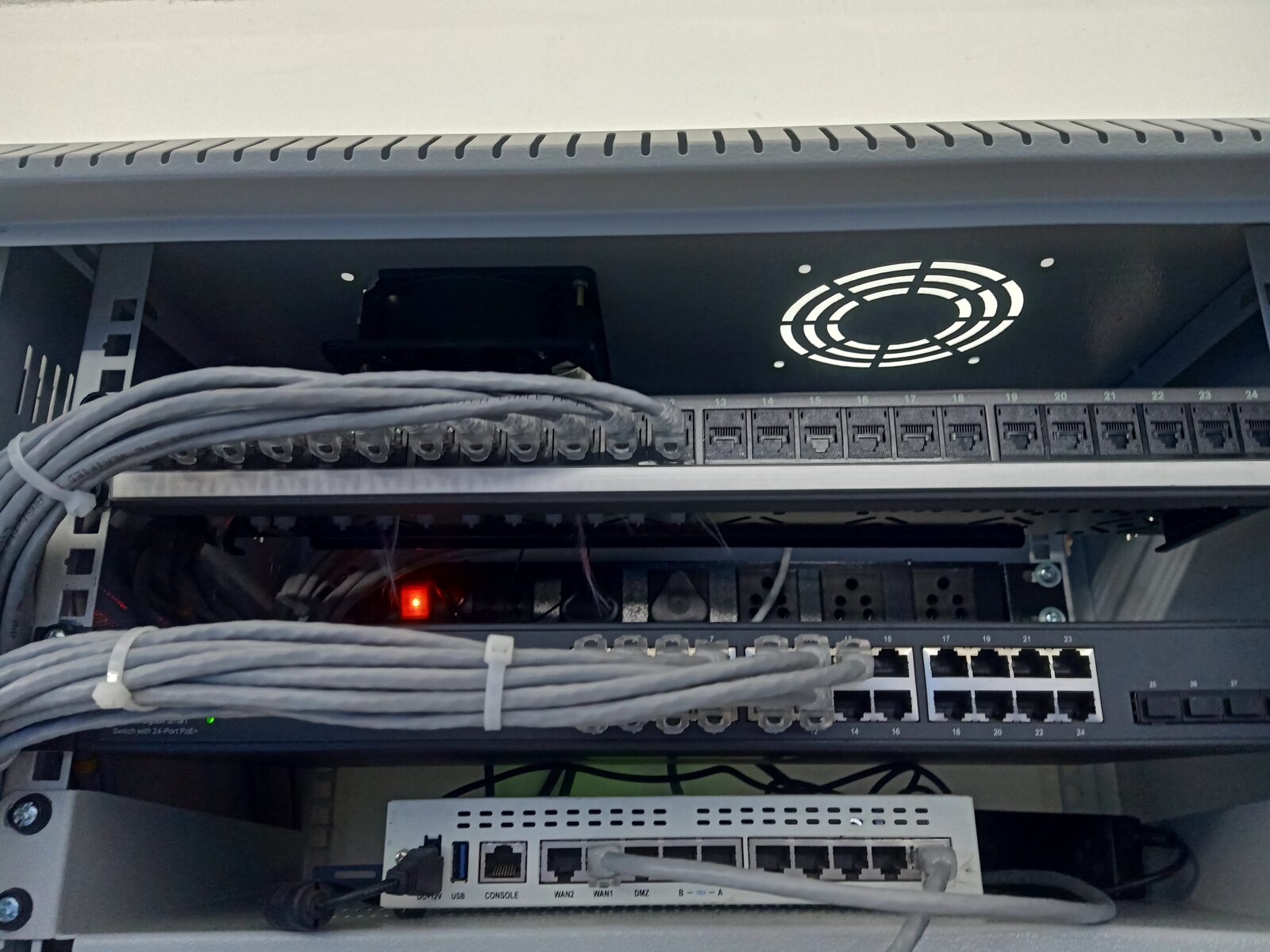
Close view of networking equipment and cables
Image: Networking Rack / Wikimedia Commons.
Closing sequence

Use the stack in this order

Bitcoin first, then adjacent tools only where they strengthen the public-interest case and stay inside their own layer.

01

Start with Bitcoin

Explain public settlement, transfer, and why the base layer matters before anything else.

02

Add Lightning and OpenTimestamps

Use the adjacent examples that inherit Bitcoin's trust model and are easy to defend concretely.

03

Separate storage and communication

IPFS, Blossom, and Nostr belong here, but only at their own layer and on their own terms.

04

Return to the bounded case

End by showing a coherent stack rather than a bag of disconnected technologies.

Keep the sequence disciplined: Bitcoin for settlement, Lightning and OpenTimestamps for Bitcoin-adjacent uses, then storage and communication on their own terms.
1 / 7